
School Clubs
School Club Recommendations
So, you’d like to start a school club? Or, need some ideas to keep yours going? Here are some suggestions for you.
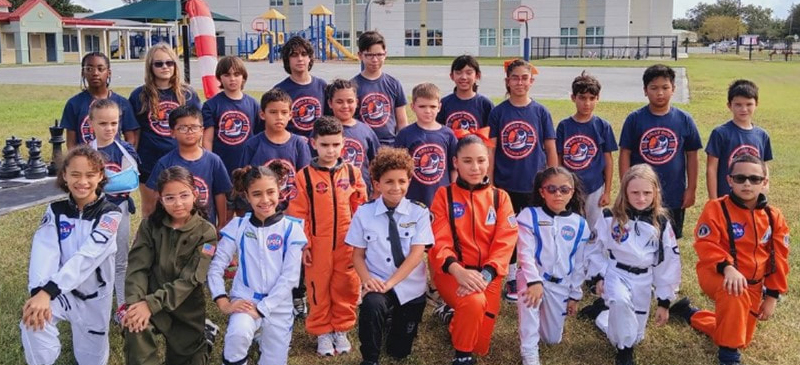
Rule #1: Don’t Start with the License Test
This is something that may seem backwards to most people. Back in the 70s, famous school amateur radio instructor Carole Perry, WB2MGP was one of the early people to make this discovery and has been preaching it ever since. Youngsters on the Air in Europe discovered this in recent years as well. Offering a child the chance to take yet *another* test isn’t the most motivating way to entice them into amateur radio. Our youth are bombarded by tests in school, standardized tests, high stakes testing, and even physical fitness testing. Students will typically be turned off by the idea of having to take a test, especially when it’s optional. Start by getting students on the air. Some may prefer voice, while others might prefer a “secret” morse code. Or perhaps, satellite or digital modes are the draw. Every group is different. Light the spark by getting youth on the air and working with the technology for themselves. Then, they have the motivation to get a license – so they can do it on their own, without a control operator. Starting with the license test might work at times, but it’s by far not the most effective method.
If you’re trying to start a school club, be sure to do everything you can to get a faculty or staff member at the school involved. Today’s security measures at schools are at an all time high. Most schools require background checks of anyone working with students – even single time guest speakers. So be sure to check into the credentials everyone on the team will need to work with school children. And, getting a faculty or staff member that is already trusted within the school is a huge help. You may need to get special access to the roof or special areas within the school that may be hard for even school faculty to gain access. Students relate to their teachers and staff, have a level of trust, and are interested in what they are interested in. Even if the faculty or staff member isn’t a licensed ham radio operator, a faculty/staff advisor for the club is nearly essential. Who knows? That teacher might end up getting a license along with the kids!
Use a Script on the Air for Beginners
“Mic Fright” often happens from not knowing what to say. Youth don’t always know how to “make conversation”. Using a script can be a very helpful beginning. Youth need to be reminded to wait about a second to start talking after pushing the PTT, and wait a second after to release the PTT. That alone may cause the “mic fright”. Coach them on using the PTT, and consider even having them practice it before getting on the air. Then, have a prepared script for them to read so they can practice ahead of time as well as read live on the air until they gain confidence. Once they memorize the script, they will gain confidence and be able to ad-lib.
Contesting is an excellent choice for this, since most contest QSOs are a scripted, prepared exchange. The operator can anticipate what to say.
Here are some scripts from teachers that you can adapt and use:
Post the essentials for the exchange for the students to see clearly without having to turn pages. Here’s an example:
If you’re just having a regular QSO, using this list of QSO Starters might help. When people have good questions to ask children, and children can think about their answers ahead of time, “mic fright” may be eased.
Equipment Grants May Be Available
Don’t let the expense of setting up a permanent school station get in the way. Sometimes, you might just be able to install a permanent antenna to use and haul equipment in and out when students are on the air. Donations of used equipment are also common if the donor knows that youth will be using the equipment. Modern equipment, especially those with a touch screen, are more familiar to today’s students. So an equipment grant might be the best answer. ARRL provides a complete station grant, which includes a radio, power supply, antenna, and more. They also have “progress grants”, which can be applied for in years subsequent to the initial station grant, to further expand the station. These grants require some limited paperwork and a letter of support from the school. Click here for more information: ARRL Education & Technology Program Equipment Grants
Teacher Training Is Available
ARRL also provides week long training sessions during the summer for teachers. The Teachers Institute on Wireless Technology (TI-1) introduces wireless technology to both licensed and unlicensed teachers. The teachers learn some basic electronics, physics as it relates to radio, and some RF based applications that make great classroom activities for K-16. The cost of the institute is paid from donations made to the ARRL Foundation. Housing, meals, travel, and equipment are provided. A minimal registration fee is required. Teachers who graduate from this program often comment that the week was the best professional development of their career. In addition, an advanced Teachers Institute on Wireless Technology (TI-2) is offered to graduates of TI-1 who are licensed amateurs and ARRL members. This follow-up week provides training on more technologies such as digital communications, satellite operation, and more. Click here for more information: ARRL Teachers Institute on Wireless Technology
Get Involved in School Club Roundup
School Club Roundup is an operating event that takes place twice a year that gets schools on the air in a contest-like format. Points are awarded for all contacts, but more points for other club or school club stations. This is one of the best opportunities to get students to make QSOs with their peers. Some contests also have a special school category within the contest that allows schools to compete against each other. The November ARRL Sweepstakes is a great example. For more information, visit the website and join the School Club Roundup group on groups.io.
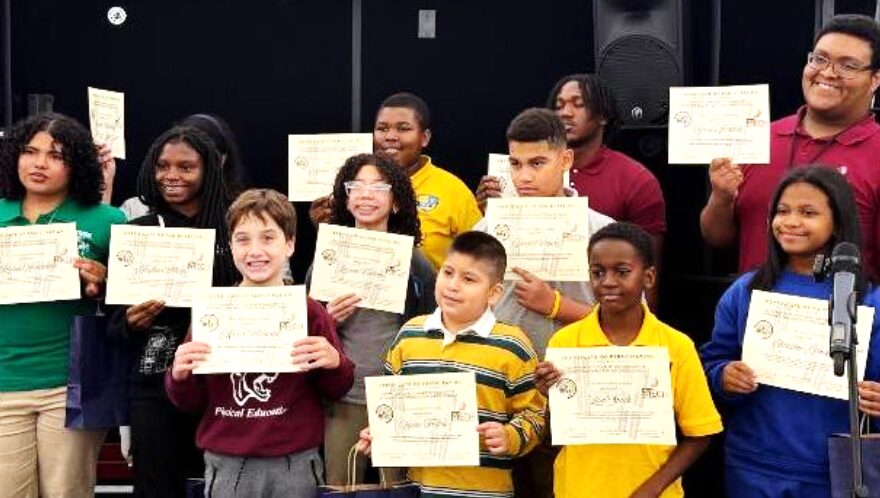
Universities Host On Air Activities
University school clubs have a long history in amateur radio. Several activities are offered with universities in mind. Check out the CARI Facebook group for a plethora of ideas and information.
Transmitter Hunting
A popular activitiy for school aged children is the transmitter hunt. Students can track down hidden transmitters using directional antennas. For added involvement, the students can build the antennas and transmitters to use themselves! The driving style hunts can be popular with the high school crowd, since many of them are just starting to drive for themselves. Competition is something that is familiar to young people, so activities like contesting and transmitter hunting can be exciting to students. Low power hunts can take place within the confines of the school grounds if driving is not an option or a concern. Here is some information on how to do a transmitter hunt:
Need Help Teaching Radio Wave Propagation?
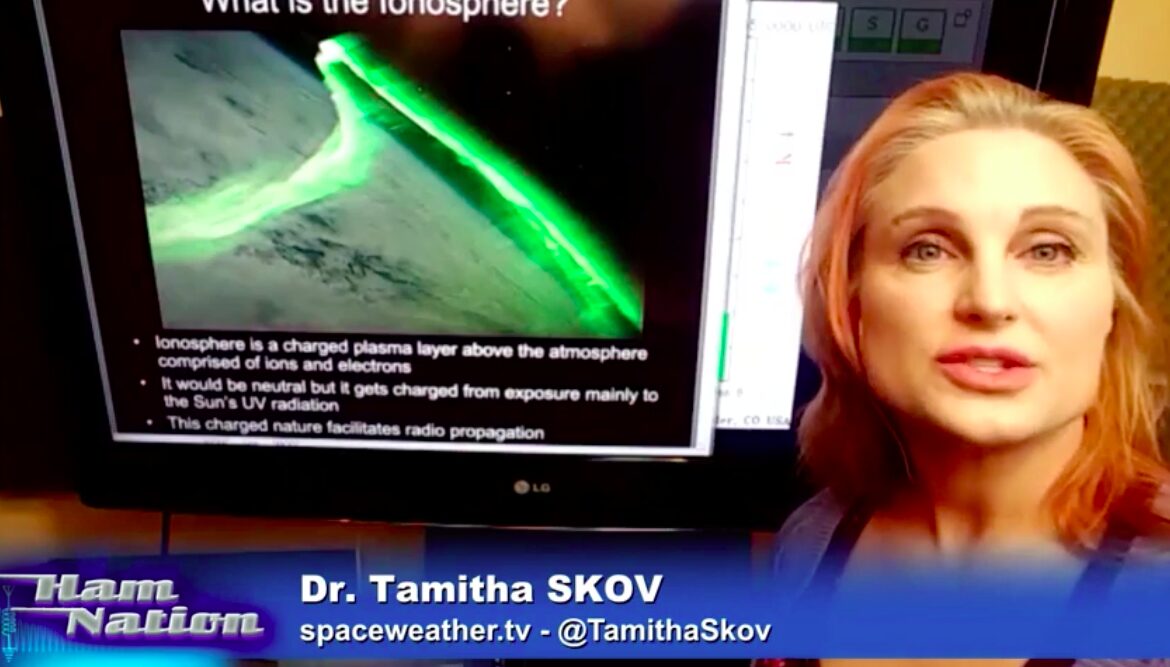
These resources may be helpful for teaching radio wave propagation. Famed solar weather scientist Dr. Tamitha Skov explains the ionosphere in just a few minutes on YouTube, and other resources are listed here to support developing lessons about radio wave physics.
Promote Your Club, Recruit Members, and Share Your Ideas
Be sure to promote what you’re doing with your club and share your ideas. If you use a photo or video of a student, you will need parent permission to use that photo or video. The forms below are the required forms for ARRL publications. If ARRL uses the media in any of their outlets, they will require this completed form for each person. It’s often easier to get these forms filled out at the time the photo or video is taken rather than track down the students later.
Recruiting members for your school club has its own challenges. Every school club struggles with the ups and downs of membership, especially since students only spend a few years at the school where the club is located. Announce your club using bulletin boards, school newspapers or video programs, in school announcements, social media, and demonstration stations at lunchtime or athletic events. Partnering with other clubs that have RF connections like robotics, maker spaces, Science Olympiad, etc. can also be beneficial.
Make Your School Club an ARRL Affiliated Club
ARRL offers some services that are only available to ARRL affiliated clubs. In order to be an official affiliated club, a club constitution and by laws will need to be submitted. Since school clubs often operate on the direction of a faculty sponsor rather than elected officers, the sample documents offered by ARRL require significant modification. Below is a sample school club version that you can use and modify to suit your needs.
Summer Camp
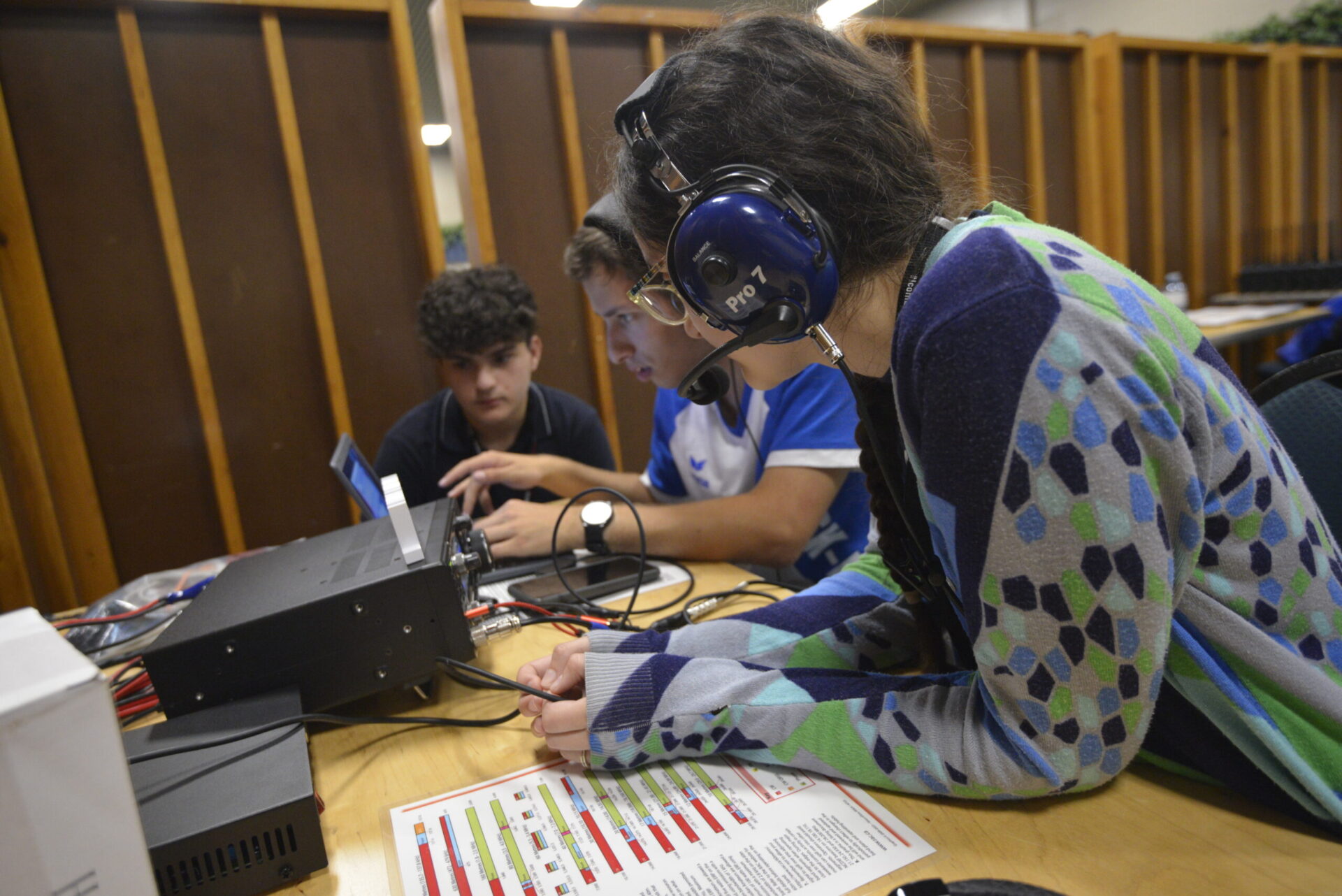
Do you have a licensed student between the ages of 15 and 25 that is ready for “the next level”? Consider recommending the Youth on the Air (YOTA) summer camp. YOTA summer camps are offered around the world with the intent of supporting already licensed youth by furthering their knowledge of ham radio and fostering friendships between other young hams. An emphasis on youth teaching youth is a core value of YOTA, which is done under the supervision of certified adults. For more information about YOTA summer camp, visit them at: Youth on the Air. YOTA also sponsors an annual special event on the air during the entire month of December, and has links to most youth related on air activities and organizations.
Other Resources:
- What do those Q signals mean? Haven’t learned your ITU phonetics yet? Here’s a handy sheet to have close to the radio.
- Starting a Net for Your School? Here’s a presentation on net terms and procedures.
- Using Repeaters? Here’s a handout about repeater terms and courtesy.
- Reward Your Morse Code Learners with a Certificate.
Neil Rapp, WB9VPG, ARISS-US Education Committee Member
Updated November 22, 2020
Other Resources:
- What do those Q signals mean? Haven’t learned your ITU phonetics yet? Here’s a handy sheet to have close to the radio.
- Starting a Net for Your School? Here’s a presentation on net terms and procedures.
- Using Repeaters? Here’s a handout about repeater terms and courtesy.
- Reward Your Morse Code Learners with a Certificate.
- Rather Listen than Read? Or need more details? Check out these podcasts on Ham Talk Live!
- Episode 7 – Rosalie White, K1STO – ARISS
- Episode 25 – Recruiting Youth and School Clubs in Ham Radio
- Episode 30 – Youngsters on the Air with Sam Rose, KC2LRC, and Sterling Coffey, N0SSC
- Episode 34 – School Club Roundup with Lew Malchick, N2RQ
- Episode 49 – Ham Radio from the ISS and Explore/Create with Richard Garriott, W5KWQ
- Episode 104 – Collegiate Amateur Radio Initiative (CARI)
- Episode 131 – Collegiate QSO Party
- Episode 145 – High Altitude Ballooning
- Episode 148 – Pico Ballooning
- Episode 152 – North American Collegiate Championships
- Episode 168 – Starting Out with Transmitter Hunting
- Episode 172 – ARRL Teachers Institute Live from Newington, CT
- Episode 191 – Youth on the Air Camp
- Episode 192 – Youth on the Air Month
- Episode 205 – New Radio on the Space Station
Neil Rapp, WB9VPG, ARISS-US Education Committee Member
Updated November 22, 2020